Column · @nutraceuticalpettreatspress
Why Nutraceutical Pet Treats Are Changing How We Care for Our Dogs and Cats
When my dog Archie started slowing down on our morning walks, I figured it was just age catching up with him. He was eight, a Labrador mix with a perpetual grin and a tail that never stopped wagging. But the limp on his right hind leg got harder to ignore, and the vet mentioned something I had not really considered before: nutraceutical pet treats. At first I thought she meant the same old supplements I had tried years earlier, the ones that sat in the cupboard until they expired. She explained that the category had evolved, and that modern functional treats now combine targeted ingredients with a format dogs actually enjoy. That conversation sent me down a rabbit hole that changed how I think about daily pet care.
Nutraceutical pet treats sit at the intersection of food and medicine. They are not quite a supplement in a pill, and they are not just a snack. They are designed to deliver a measurable health benefit through a treat that a dog or cat willingly eats. That sounds simple, but it matters more than most owners realise. Getting a dog to swallow a capsule usually involves hiding it in cheese or peanut butter, and cats are even harder to medicate. A treat that already contains the active ingredients solves that problem before it starts. For owners who are already managing conditions like hip dysplasia in a large breed, or arthritis in a senior cat, this convenience can mean the difference between consistent care and skipped doses.
What Makes a Treat Nutraceutical
The term itself borrows from the human supplement world, but for pets the approach is slightly different. A nutraceutical pet treat must contain a functional ingredient that has a demonstrated effect on health. That could be glucosamine and chondroitin for joint support, omega-3 fatty acids for skin and coat health, or probiotics for digestive balance. The treat base itself is usually something palatable, often made with organic ingredients like sweet potato, pumpkin, or oat flour, so the pet does not associate the experience with medicine. That pairing is the whole point. If a treat tastes good and works, the owner stays consistent, and the pet stays healthier.
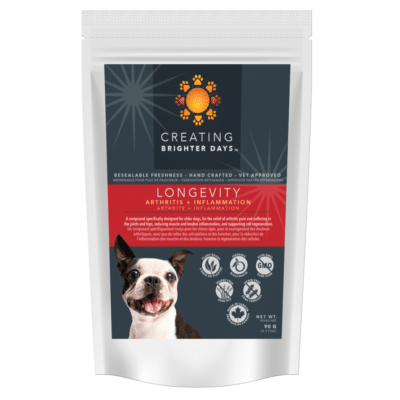
I started Archie on a green-lipped mussel based treat that also contained hemp seed oil and turmeric. The green-lipped mussel is a source of omega-3 fatty acids that seems to work better for some dogs than fish oil alone, possibly because of the unique lipid profile. The turmeric added anti-inflammatory support, and the hemp seed oil gave a dose of gamma-linolenic acid, which is rare in most pet diets. Within about six weeks the limp was barely noticeable. I cannot prove the treats alone fixed him, because we also adjusted his exercise routine and added a memory foam bed, but the change was real enough that I did not stop giving them.
Joint Health Beyond Glucosamine
Glucosamine and chondroitin are the most recognised ingredients for joint health in pets, and they do work for many animals. But they are not the only options, and they are not always the best choice for every pet. Some dogs have trouble absorbing glucosamine from a treat, especially if the treat also contains high levels of grain or filler. That is where the formulation matters. A well-made nutraceutical pet treat will use a bioavailable form of the ingredient and pair it with cofactors that improve absorption. Vitamin C and manganese, for example, help the body use glucosamine more efficiently. If the treat does not list those, the glucosamine may pass through without doing much.
For larger breeds prone to hip dysplasia, the combination of glucosamine, chondroitin, and green-lipped mussel powder seems to offer more than any single ingredient. I have spoken to breeders who use these treats preventively from puppyhood, not just after symptoms appear. They argue that building joint resilience early is smarter than managing pain later. That logic makes sense, though it is worth noting that a preventive approach requires a product with consistent dosing and verified ingredient levels, which not all brands provide. Reading labels becomes a skill in itself.
Gut Health, Skin, and Everything Else
Joint support is only one application. Probiotics have become a major component of nutraceutical pet treats, and for good reason. A dog's gut microbiome influences immunity, mood, and even behaviour. Probiotic treats can help after a course of antibiotics, during a diet change, or for dogs that simply have sensitive stomachs. I have a friend whose cat developed chronic loose stools after being adopted from a shelter. A probiotic treat with added prebiotic fibre resolved the issue within two weeks. The vet said the cat likely had a disrupted microbiome from stress and poor early nutrition. The treat gave it a steady source of beneficial bacteria without the fight of pilling a cat.
Skin and coat health is another area where these treats shine. Salmon oil and hemp seed oil are common sources of omega-3 fatty acids, and they work well for dogs with dry skin, seasonal allergies, or dull coats. I have seen a terrier with patchy fur grow a full, shiny coat after three months on a salmon oil based treat. The owner had tried topical sprays and shampoos, but the internal approach made the bigger difference. For pets with allergy support needs, ingredients like quercetin and nettle leaf are sometimes added, though those are less common. Most products stick to the oils and probiotics because the research is stronger.
The Challenge of Choosing a Good Product
Not every product labelled as a nutraceutical pet treat delivers what it promises. Some contain such low levels of the active ingredient that a dog would need to eat a dozen treats a day to get a therapeutic dose. Others use poor quality sources, like cheap fish oil that oxidises before the bag is opened. And some are essentially junk food with a sprinkle of supplement powder, which defeats the purpose. The best approach is to look for third-party testing, clear dosing instructions, and a short ingredient list. Treats that rely on synthetic preservatives or artificial flavours rarely have the same quality as those using natural tocopherols and organic ingredients.
Dental chews are a slightly different category, but they overlap. A dental chew that also contains probiotics or antioxidants offers both oral and systemic benefits. That kind of dual-purpose product is becoming more common, and it makes sense for owners who want to simplify their pet's routine. One treat for teeth and gut is easier than two separate products. But dental chews tend to be harder, and some dogs with sensitive teeth or older jaws cannot handle them. In that case, a soft functional treat is the better option.
Veterinary nutrition is not a regulated term in every country, but many manufacturers now employ board-certified veterinary nutritionists on staff. That is a good sign, because it means the formulation has been reviewed by someone who understands canine and feline metabolism. Brands that list a veterinarian on their advisory board or in their product development team tend to produce more reliable products.
Where Cannabis and Hemp Fit In
For the context of a site like kushstation.co, which sells cannabis, concentrates, edibles, mushrooms, and pet health products, the connection between hemp derived ingredients and nutraceutical pet treats is direct. Hemp seed oil contains a beneficial ratio of omega-6 to omega-3 fatty acids, and it does not contain THC in levels that would affect a pet. CBD is sometimes included in pet treats for anxiety relief, but it is important to note that CBD products for pets must be derived from hemp and contain less than 0.3 percent THC to be safe. Not all cannabis derived compounds are appropriate for animals, and any product that claims to offer the psychoactive effects of cannabis should be avoided for pets. The therapeutic value lies in the non-psychoactive compounds, not the high.
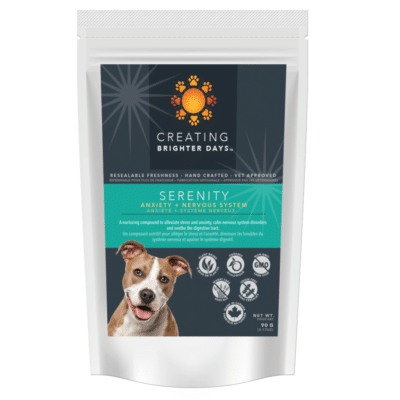
I have seen CBD treats work well for dogs with separation anxiety or noise phobia, but the research is still early. Anecdotal reports are strong, but controlled studies are limited. For owners considering that route, the safest bet is a product that lists the exact milligram content of CBD per treat and uses a carrier like hemp seed oil or MCT oil for absorption. Treats that rely on broad spectrum hemp extract rather than isolated CBD may offer a more balanced effect, because they include other cannabinoids and terpenes that work together.
Practical Tips for Getting Started
If you are new to nutraceutical pet treats, start with one specific goal. Joint health, digestive support, and skin health are the three most common reasons owners turn to them. Pick the issue that bothers your pet the most, and find a treat that addresses it directly. Do not buy a multi-purpose product right away, because if it does not work you will not know which ingredient failed. Give it at least four to six weeks, and keep a simple journal of changes in mobility, stool quality, coat shine, and energy level. That sounds obsessive, but it is the only way to tell if the treat is actually doing something.
Also check the calorie content. Some functional treats are dense, and if your pet is already on a weight management plan, a high-calorie treat every day could undo the progress. There are low-calorie options, but they often contain fewer active ingredients, so you may need to adjust expectations. It is a trade-off, and there is no single right answer.

Finally, store the treats properly. Many contain oils that can go rancid if left in a warm car or near a sunny window. A sealed container in a cool, dark cupboard keeps the ingredients stable. If the treats smell off or the texture changes, throw them out. Freshness matters more with functional ingredients than with standard biscuits, because degraded oils lose their benefit and may even cause digestive upset.
Nutraceutical pet treats are not a cure-all, and they are not a replacement for veterinary care. But for the daily management of common issues like joint stiffness, digestive sensitivity, and dry skin, they offer a practical, low-stress solution. Archie still limps a little on cold mornings, but he runs again. That is enough for me.